Modern society likes to convince us that we as humans are separate from the natural world, that we are unaffected by the changing light, the cycling seasons, and the weather. Modern society yearns for your energy to remain consistent regardless of what’s happening outside; it hopes for your level of output to go untouched and unchanged, no matter what. There are goals to achieve, quotas to hit, numbers to meet, or better yet, exceed. But here’s the thing, we as humans are not machines. Whether we want to be or not, we are undeniably lifetime members of the natural world, and with that reality comes seasonal living.
What if the lesser amount of energy you have in the winter months reflects the barren trees that conserve energy until spring? Or the woodland animals that sleep much, much more when it’s snowing and cold than they do when the sun is bright and in the sky longer than it isn’t? What if the rest you crave, the slowness you desire, and the quiet you find surrounding you, isn’t anything to fear or fight?
Some refer to this time as “wintering.”
Now, we’re not saying that depression won’t amplify or come creeping back in on the heels of Seasonal Affective Disorder. It absolutely can. And that deserves support and attention, even if it transpires in the warm, sunshine-filled seasons. SAD is brought on by the seasonal shift, often in the winter months, though it does impact people in the summer as well. Your sleep may be disturbed, your energy and outlook on life may wane, and your appetite may shift in noticeable ways.
We also don’t want you to believe that your body, your brain, or your being is instantly wrong or off kilter. So how might you try to track what is attunement to the rhythm of the present season and what is SAD? Here are some questions you can reflect on: Are there feelings of hopelessness? Of worthlessness? Of wanting to give up or give in to harmful coping habits? Those lies, sneakily cloaked as truths, deserve and need to be addressed and mindfully supported. There is zero shame here for people needing or wanting increased care through medication or more frequent sessions with a trusted professional.
Along with leaving no room for shame when it comes to medication and therapy, we also want there to be not an ounce of shame or stigma for those who do struggle. You are not failing at existing; you are not weak for struggling. You are human, you are vulnerable, you are ever-changing and ever-cycling through the heavy and the light—perhaps internally and externally.
The expectation to be functioning at 100% all of the time? Impossible.
Quite literally so.
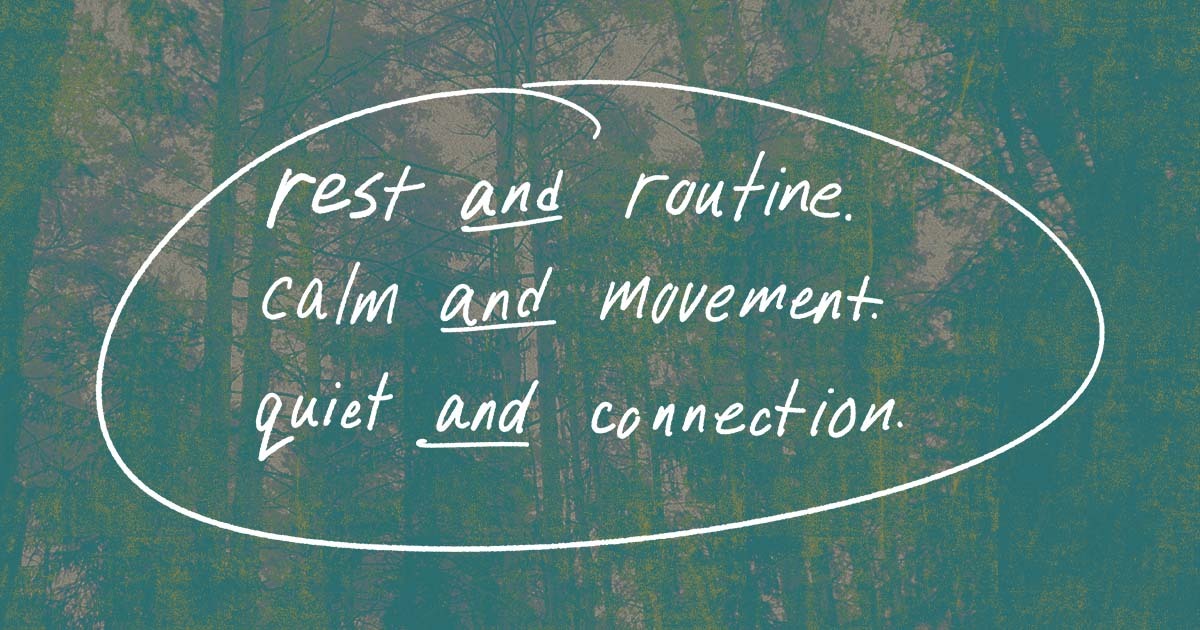
As you navigate the darker, shorter-day season, we hope for there to be room for more than just pushing, productivity, and performance. We hope for there to be room for:
Rest and routine.
Calm and movement.
Quiet and connection.
No matter where you fall on that spectrum of being a somewhat hibernating human who needs an extra hour or two of sleep each night and one less social obligation per week, or someone who needs to go on or increase their medicine to quell the dark thoughts and heaviness pressing on their chest—hope is present and available to you.
Hope in the form of returning light.
Hope in the form of trees and flowers that will bloom again.
Hope in the form of growth that always follows the thawing of what has gone dormant.
If you deal with Seasonal Affective Disorder, no matter what time of year, there are resources you can use to help you navigate the season, whether that’s through consistent professional care or texting TWLOHA to 741741 to text with a crisis counselor during the moments that feel like too much. We also want to invite you to introduce practices that can support your daily well-being, like somatic movement and grounding techniques.
Ethelyn Hauck
It only works when I’m Cook Islands.